Customized US Football Player, American
A Designer’s First Look: Bold, Friendly, and Ready for Real Fabric
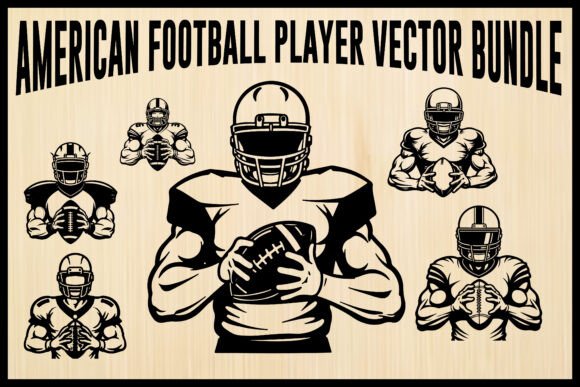
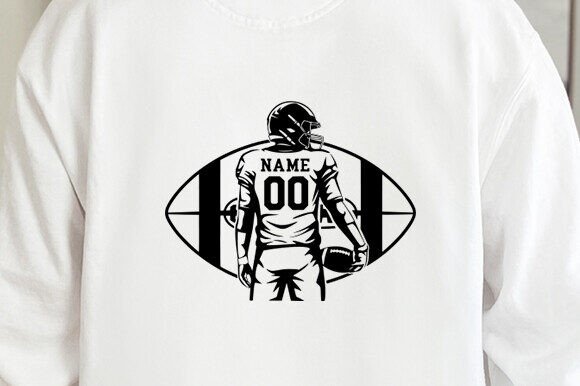
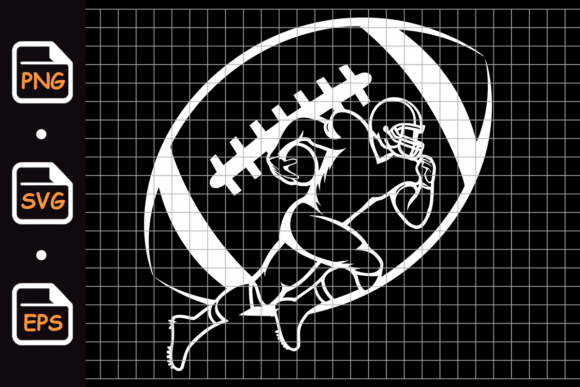
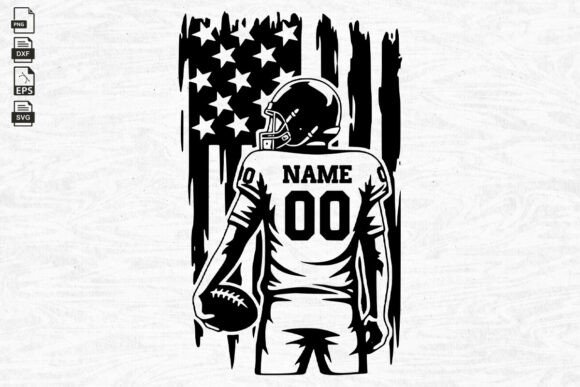
When I opened Customized US Football Player, American for the first time, my instinct wasn’t to check file specs—it was to imagine it stitched onto a soft cotton tote bag for a local high school booster club. The design carries an unmistakable spirit: energetic but not chaotic, patriotic but not stiff, stylized but still readable at 3–4 inches wide. It’s got clean outlines, confident proportions, and just enough detail—helmet sheen, jersey stripe rhythm, a subtle star motif—to feel intentional without overloading the stitch count. As a machine embroidery design, it reads like a confident mid-tier graphic: friendly enough for baby onesies, bold enough for sweatshirt backs, and versatile enough to slot into craft business workflows without needing heavy editing.
Where It Shines: From Tote Bags to Team Spirit Gifts
I tested Customized US Football Player, American across three real projects: a navy canvas tote for a youth league fundraiser, a cream cotton apron for a small-batch kitchen boutique, and a light gray baby onesie for a personalized holiday gift. On the tote, it held up beautifully—no distortion, no thread nesting—thanks to its balanced fill stitch distribution and generous spacing between elements. The apron version looked especially strong: the design’s upright posture and centered composition made it feel like a signature brand mark, not just decoration. And on the onesie? It read clearly even at 2.75 inches tall—no lost details in the helmet strap or number font. That’s rare for graphics pulled from SVG files meant primarily for cutting machines; this one respects embroidery’s physical constraints.
It works well as a standalone embroidered patch (just add border stitching), fits cleanly inside standard 4×4 hoops for caps and pillow covers, and scales reliably down to 3 inches for tea towels or up to 5.5 inches for blanket corners. For Etsy sellers and craft fair vendors, that flexibility means fewer design variants to manage—and more consistent buyer expectations. When paired with thoughtful thread colors (navy + white + gold metallic for team pride, or soft sage + cream for nursery decor), Customized US Football Player, American elevates handmade product perception instantly.
Where to Pause: Texture, Scale, and Surface Realities
This isn’t a “set and forget” embroidery file. Like any digital embroidery file built from an SVG base, it assumes you’ll adapt it thoughtfully—not just import and stitch. On textured fabrics like terry cloth towels or fleece blankets, I recommend adding light tear-away stabilizer *under* the fabric *and* topping with a light film-style to prevent stitch skip in dense areas. On stretchy knits (think youth tees or baby bodysuits), test the design on scrap first: the helmet’s curved edges and tight collar line can pull if tension or stabilizer is off.
Small hoop sizes (under 3.5 inches) demand attention—especially around the player’s hands and the bottom of the jersey number. Tiny lettering or fine lines may soften during stitching unless you adjust underlay or reduce density slightly. And on dark fabric? Don’t assume contrast. Run a black-and-white mockup first. I found the design’s mid-weight outlines hold up well on charcoal or burgundy, but pale yellow thread on black fabric disappeared unless I swapped to a matte white or silver.
Design Integrity Meets Customer Trust
What makes Customized US Football Player, American commercially smart isn’t just its visual appeal—it’s how it supports trust. Customers buying personalized gifts or boutique merchandise don’t just want “football”—they want recognition, clarity, and care. This design delivers that: no awkward cropping, no unbalanced weight, no confusing silhouettes. When stitched on a custom sweatshirt for a coach’s retirement gift, it looked professional—not clip-art-ish. That distinction matters. It affects perceived value, repeat orders, and word-of-mouth referrals. For craft businesses building cohesive branding (think matching aprons, totes, and pillow covers for a sports-themed shop), this design anchors the collection without overwhelming it.
Practical Notes Every Embroiderer Should Check
- Test before committing: Stitch Customized US Football Player, American on scrap fabric matching your final project’s weight and stretch.
- Confirm stabilizer strategy: Medium cutaway for knits, lightweight tear-away for stable wovens, and film+tear-away combo for textured surfaces.
- Review thread color contrast: Especially on dark or busy backgrounds—what looks sharp on screen may blur when stitched.
- Check hoop size compatibility: The design’s natural width fits comfortably in 4×4 hoops, but verify exact dimensions in your software before scaling.
- Inspect small details: Zoom in on helmet vents, number serifs, and star points—these are where digitizing shortcuts often show.
- Validate commercial use: Since this is listed as a digital embroidery file in the Crafts/Graphics category, confirm licensing terms directly with the seller before selling finished products or bundling it into your own digital product offerings.
- Use printable mockups: Drop the SVG into a realistic garment mockup to preview how it reads on curved or layered surfaces—like the front of a cap or side of a tote.
Final Thought: A Reliable Workhorse, Not a Gimmick
Customized US Football Player, American won’t win design awards for avant-garde innovation—but it doesn’t need to. In the daily reality of embroidery production—tight deadlines, varied fabrics, skeptical customers, and Etsy buyers scrolling past dozens of similar listings—it delivers what matters most: clarity, consistency, and quiet confidence. It’s the kind of embroidery file you keep in your “go-to” folder, not your “maybe later” archive. Whether you’re stitching for a local team, building a craft business, or creating heartfelt personalized gifts, this design earns its place—not because it shouts, but because it shows up, clearly and kindly, every single time.